

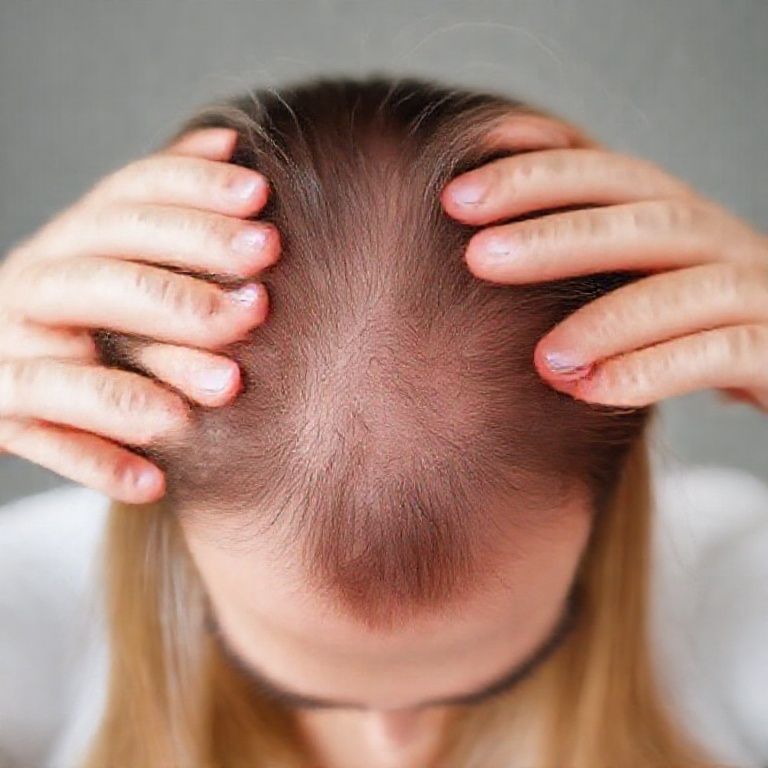
Introduction to Hair Loss
Hair Loss is a common problem that affects millions of people worldwide, with Hair Loss being a major concern for many individuals. The causes of Hair Loss can be varied, ranging from genetics to stress and poor diet. In this article, we will explore the various Hair Loss Treatment Options available, including non-medical solutions.
One of the most effective ways to prevent Hair Loss is to maintain a healthy diet, rich in essential nutrients and vitamins. A diet that includes foods high in protein, iron, and omega-3 fatty acids can help promote Hair Loss prevention. Additionally, reducing stress levels through exercise and meditation can also help prevent Hair Loss.
Causes of Hair Loss
Hair Loss can be caused by a variety of factors, including genetics, hormonal imbalances, and certain medical conditions. Androgenetic alopecia, also known as male or female pattern baldness, is the most common cause of Hair Loss. This condition is characterized by a gradual thinning of the hair, often resulting in a receding hairline or bald spots.
Other causes of Hair Loss include thyroid disorders, autoimmune diseases, and certain medications. In some cases, Hair Loss can be a symptom of an underlying medical condition, making it essential to consult a doctor to rule out any underlying health issues. For more information on thyroid disorders, visit our website.
In addition to medical conditions, certain lifestyle factors can also contribute to Hair Loss. These include excessive heat styling, tight hairstyles, and exposure to harsh chemicals. To minimize the risk of Hair Loss, it is essential to adopt a gentle hair care routine and avoid excessive styling.
Medical Hair Loss Treatment Options
There are several medical Hair Loss Treatment Options available, including medications, hair transplantation, and low-level laser therapy. Minoxidil and finasteride are two commonly prescribed medications for Hair Loss, which can help slow down hair loss and promote hair growth.
Hair transplantation is a surgical procedure that involves transferring healthy hair follicles from one part of the scalp to another. This procedure can be effective in restoring hair growth and improving the appearance of the scalp. For more information on hair transplantation, visit Wikipedia.
Low-level laser therapy is a non-invasive treatment that uses a low-level laser or light-emitting device to stimulate hair growth. This treatment can be used in conjunction with other Hair Loss Treatment Options to promote hair growth and improve the overall health of the scalp.
Non-Medical Hair Loss Treatment Options
In addition to medical Hair Loss Treatment Options, there are several non-medical solutions available. These include hair systems, wigs, and hair extensions. Hair systems are custom-made to match the individual’s hair color, texture, and style, providing a natural-looking solution for Hair Loss.
Wigs and hair extensions can also be used to conceal Hair Loss and improve the appearance of the scalp. These solutions can be made from synthetic or human hair and can be styled to match the individual’s natural hair.
For those looking for a more natural solution, there are several herbal remedies and supplements available that can help promote hair growth and prevent Hair Loss. These include biotin, vitamin B, and saw palmetto, which can be taken orally or applied topically to the scalp.
Hair Care and Maintenance
To prevent Hair Loss and promote healthy hair growth, it is essential to adopt a gentle hair care routine. This includes using a sulfate-free shampoo, avoiding excessive heat styling, and using a wide-tooth comb to minimize breakage.
Regular trims can also help prevent split ends and breakage, keeping the hair healthy and strong. A balanced diet rich in essential nutrients and vitamins is also crucial for maintaining healthy hair and preventing Hair Loss.
In addition to a healthy diet, reducing stress levels through exercise and meditation can also help prevent Hair Loss. Exercise can help improve blood flow to the scalp, promoting healthy hair growth and reducing the risk of Hair Loss.
Conclusion
In conclusion, Hair Loss is a common problem that can be caused by a variety of factors, including genetics, hormonal imbalances, and certain medical conditions. There are several Hair Loss Treatment Options available, including medical and non-medical solutions.
By adopting a gentle hair care routine, maintaining a healthy diet, and reducing stress levels, individuals can help prevent Hair Loss and promote healthy hair growth. For more information on hair care tips, visit our website.
It is essential to consult a doctor or dermatologist to determine the underlying cause of Hair Loss and develop a personalized treatment plan. With the right treatment and care, individuals can effectively manage Hair Loss and maintain a healthy, full head of hair.






Future of Hair Loss Treatment
Research is ongoing to develop new and innovative Hair Loss Treatment Options. Stem cell therapy and gene therapy are two promising areas of research that may offer new hope for individuals suffering from Hair Loss.
Stem cell therapy involves using stem cells to regenerate hair follicles and promote hair growth. This treatment has shown promising results in clinical trials and may become a viable option for Hair Loss treatment in the future.
Gene therapy involves using genes to promote hair growth and prevent Hair Loss. This treatment is still in its infancy, but it may offer new hope for individuals suffering from genetic Hair Loss.
Conclusion and Final Thoughts
In conclusion, Hair Loss is a common problem that can be caused by a variety of factors. There are several Hair Loss Treatment Options available, including medical and non-medical solutions.
By adopting a gentle hair care routine, maintaining a healthy diet, and reducing stress levels, individuals can help prevent Hair Loss and promote healthy hair growth. It is essential to consult a doctor or dermatologist to determine the underlying cause of Hair Loss and develop a personalized treatment plan.
